
The Culinary Connoisseur
Dress Up
15
Mar
Mar
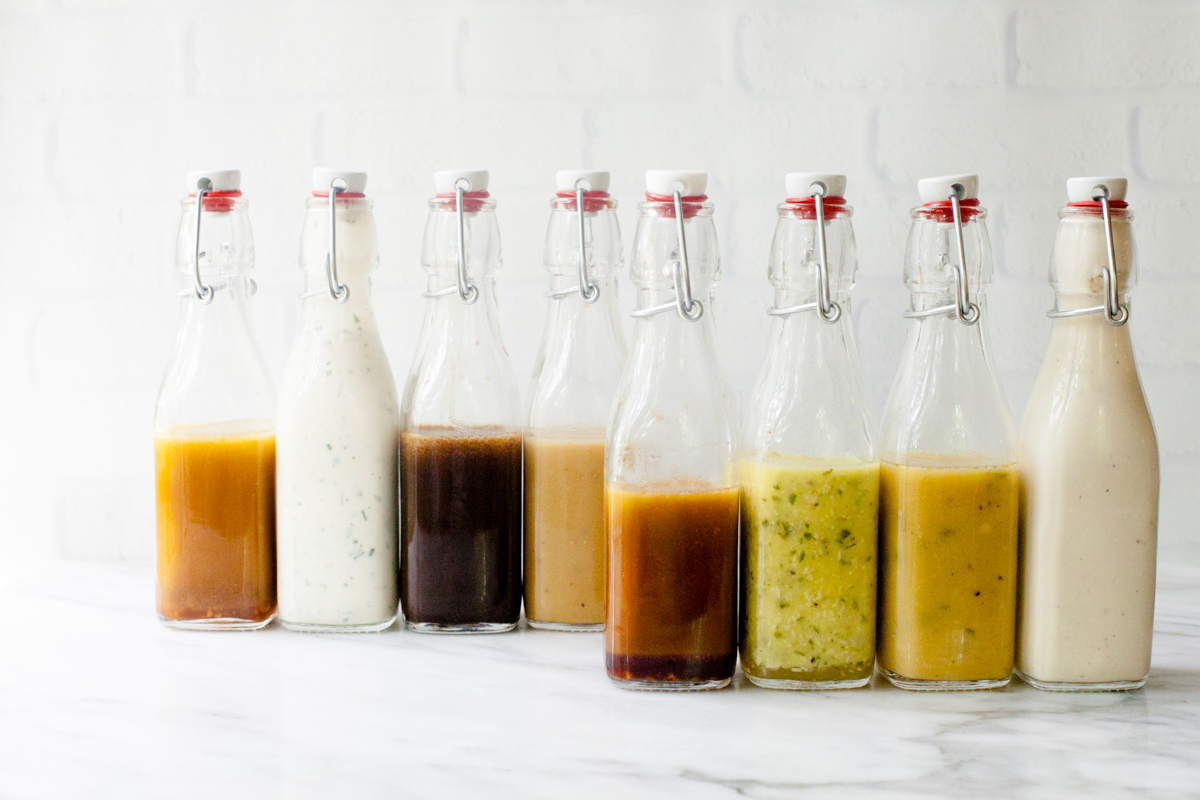
Dressing your salad?
Rule number 1—never overdress it! Too much dressing overwhelms
the flavor and results in limp greens and mushy veggies. Less is more; add a
bit at a time, tasting as you go.
the flavor and results in limp greens and mushy veggies. Less is more; add a
bit at a time, tasting as you go.
Rule number 2—use a vinaigrette that compliments the
components of the salad. Flavors like honey and mustard go well with salads
that contain meat or chicken while herbs like basil and dill wake up green
vegetables.
components of the salad. Flavors like honey and mustard go well with salads
that contain meat or chicken while herbs like basil and dill wake up green
vegetables.
Of course, there are so many bottled salad dressings on
grocery shelves today. It’s tempting to just buy something. But read-to-use
dressing is often full of salt and additives.
Making your own is the way to go.
grocery shelves today. It’s tempting to just buy something. But read-to-use
dressing is often full of salt and additives.
Making your own is the way to go.
Classic vinaigrette is typically three to four parts oil,
usually olive oil and one part acid; usually wine vinegar mixed together
vigorously to form an emulsion.
Seasonings include salt, pepper, mustard and garlic. You might like to
use any of the following acidic ingredients: rice vinegar; white wine vinegar;
fruit vinegars; lemon, lime or orange juice. You can experiment by beginning
with two parts oil to one part vinegar or citrus juice. Mustard is also a
common add-in with the vinegar and helps to keep the emulsion stable for a bit
longer.
usually olive oil and one part acid; usually wine vinegar mixed together
vigorously to form an emulsion.
Seasonings include salt, pepper, mustard and garlic. You might like to
use any of the following acidic ingredients: rice vinegar; white wine vinegar;
fruit vinegars; lemon, lime or orange juice. You can experiment by beginning
with two parts oil to one part vinegar or citrus juice. Mustard is also a
common add-in with the vinegar and helps to keep the emulsion stable for a bit
longer.
The standard procedure is to whisk the vinegar with the
salt and seasonings. Then add the oil in a slow steam, whisking constantly,
until dressing is translucent. The oil and vinegar can be combined with a
blender, food processor, whisk, or jar. It really doesn’t matter how you choose
to combine the oil and vinegar so long as we get an emulsion where the vinegar
becomes suspended in the oil. An
emulsion is a mixture of two substances that don’t mix. Because of the vigorous mixing or shaking the
oil and vinegar remain mixed for long enough to dress the salad. Vinaigrettes are called unstable emulsions
because they will eventually separate, the oil traveling upward and the vinegar
and whatever else you have added settling on the bottom. Obviously, this is
easily fixed by simply shaking the liquids together again.
salt and seasonings. Then add the oil in a slow steam, whisking constantly,
until dressing is translucent. The oil and vinegar can be combined with a
blender, food processor, whisk, or jar. It really doesn’t matter how you choose
to combine the oil and vinegar so long as we get an emulsion where the vinegar
becomes suspended in the oil. An
emulsion is a mixture of two substances that don’t mix. Because of the vigorous mixing or shaking the
oil and vinegar remain mixed for long enough to dress the salad. Vinaigrettes are called unstable emulsions
because they will eventually separate, the oil traveling upward and the vinegar
and whatever else you have added settling on the bottom. Obviously, this is
easily fixed by simply shaking the liquids together again.
When dressing your salad, use approximately 1 tablespoon
of vinaigrette per 2 cups of salad. Dress, don’t drown, your salad to keep the
calories lower and the vegetables crisp.
of vinaigrette per 2 cups of salad. Dress, don’t drown, your salad to keep the
calories lower and the vegetables crisp.
Turn your basic vinaigrette into avocado dressing by
combining half an avocado with a cup of vinaigrette in a blender or food
processor fitted with a metal blade. Process until smooth.
combining half an avocado with a cup of vinaigrette in a blender or food
processor fitted with a metal blade. Process until smooth.
1/4 cup Dijon
or yellow mustard
or yellow mustard
1/4 cup white vinegar
1/2 teaspoon pepper
1/2 cup canola oil
1/2 cup extra virgin olive oil
In a small bowl, stir together the mustard, vinegar,
herbs, and pepper. Whisking constantly, drizzle in both oils and keep whisking
until thoroughly combined and emulsified. This salad dressing can be made a day
in advance, but bring to room temperature and whisk once more before using.
herbs, and pepper. Whisking constantly, drizzle in both oils and keep whisking
until thoroughly combined and emulsified. This salad dressing can be made a day
in advance, but bring to room temperature and whisk once more before using.
Once you’ve mastered the basic, adding ingredients to
compliment the salad is easy. Here are some suggestions.
compliment the salad is easy. Here are some suggestions.
Add 1 clove crushed garlic and 1 teaspoon Italian
seasoning to this dressing for a delicious garlicy dressing that’s perfect for
pasta salad.
seasoning to this dressing for a delicious garlicy dressing that’s perfect for
pasta salad.
Add 2 tablespoons crumbled crispy “facon” or beef-fry
when you serve a grilled chicken salad.
when you serve a grilled chicken salad.
You can also add 1 tablespoon grated parmesan cheese for
a salad served at a dairy meal.
a salad served at a dairy meal.
For a creamy vinaigrette, add 2-3 tablespoons mayonnaise
to the mixture when emulsifying.
to the mixture when emulsifying.
3 tablespoons white wine vinegar
2 tablespoons coarse or Dijon mustard
1 small shallot, diced
2 tablespoons honey
1/2 cup olive oil
Salt and freshly ground black pepper
In a small bowl, combine vinegar, mustard, shallot, and
honey. Whisking constantly, drizzle in oil and keep whisking until thoroughly
combined. Serve you’re your favorite
leafy green salad. This vinaigrette is
also excellent poured over salmon filets and baked.
honey. Whisking constantly, drizzle in oil and keep whisking until thoroughly
combined. Serve you’re your favorite
leafy green salad. This vinaigrette is
also excellent poured over salmon filets and baked.