
The Culinary Connoisseur
Going Greek
31
May
May
You don’t have to be a foodie to know that Greek yogurt
has earned its place as a food fad that’s here to stay. Thicker and creamier
than traditional yogurt, Greek yogurt consumption has increased steadily in the
last few years. It has become equally popular among kosher consumers despite
its higher cost.
has earned its place as a food fad that’s here to stay. Thicker and creamier
than traditional yogurt, Greek yogurt consumption has increased steadily in the
last few years. It has become equally popular among kosher consumers despite
its higher cost.
The process for making regular and Greek yogurt starts
off the same: milk is first heated, then cooled to the proper fermentation
temperature between 106 and 114°F before bacterial cultures are added. The
mixture is then left to ferment until the bacteria grows, produces lactic acid,
and gels the milk proteins to produce regular yogurt. To make Greek yogurt,
regular yogurt is strained extensively to remove liquid whey and lactose,
leaving behind a thicker-textured yogurt.
off the same: milk is first heated, then cooled to the proper fermentation
temperature between 106 and 114°F before bacterial cultures are added. The
mixture is then left to ferment until the bacteria grows, produces lactic acid,
and gels the milk proteins to produce regular yogurt. To make Greek yogurt,
regular yogurt is strained extensively to remove liquid whey and lactose,
leaving behind a thicker-textured yogurt.
Strained yogurt, Greek yogurt, yogurt cheese, labneh have
all been part of other cuisines for centuries.
all been part of other cuisines for centuries.
Besides texture, here are some other differences between
regular and Greek yogurt:
regular and Greek yogurt:
Greek yogurt has almost double the protein of regular
yogurt. Check the nutrition facts and choose a brand highest in protein for the
most benefit. Unless you’re buying
nonfat or low-fat varieties, Greek yogurt has about three times the saturated
fat than regular yogurt. Greek yogurt contains about half the sodium of regular
yogurt. Greek yogurt contains approximately half the amount of carbohydrates of
regular yogurt. Of course, added
sweeteners or fruit to any yogurt will increase the carbohydrate count.
yogurt. Check the nutrition facts and choose a brand highest in protein for the
most benefit. Unless you’re buying
nonfat or low-fat varieties, Greek yogurt has about three times the saturated
fat than regular yogurt. Greek yogurt contains about half the sodium of regular
yogurt. Greek yogurt contains approximately half the amount of carbohydrates of
regular yogurt. Of course, added
sweeteners or fruit to any yogurt will increase the carbohydrate count.
Greek yogurt is an excellent substitute for sour cream or
mayonnaise in dairy recipes. It also adds moisture to baked goods and makes
delicious smoothies.
mayonnaise in dairy recipes. It also adds moisture to baked goods and makes
delicious smoothies.
1 cup frozen sweet cherries or strawberries
1 cup plain Greek yogurt
1 cup pomegranate cherry juice
1 cup crushed pineapple in juice, drained
1 banana, peeled and sliced in half
Combine all ingredients in a blender or smoothie maker.
Enjoy immediately
Enjoy immediately
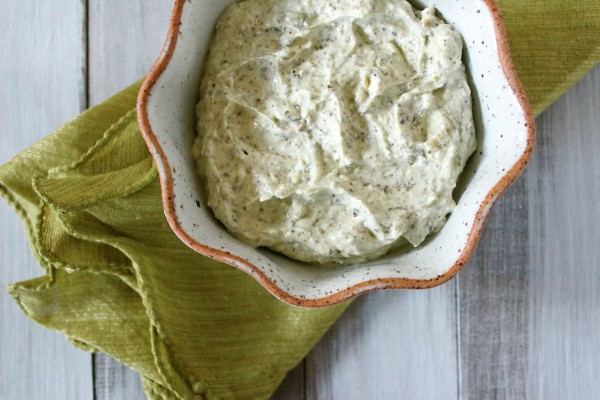
Serve with your favorite vegetables or chips
1 cup plain low-fat Greek yogurt
½ cup prepared pesto (or 6 basil cubes blended with ½ cup
pine nuts and 2 teaspoons olive oil)
pine nuts and 2 teaspoons olive oil)
kosher salt and black pepper
cut-up vegetables, for serving
In a small bowl, mix together the yogurt, pesto, and ¼
teaspoon each salt and pepper. Mix well until combined.
teaspoon each salt and pepper. Mix well until combined.
While this sounds like an odd combination of Mexican
and Greek cuisines—we think you’ll enjoy it!
and Greek cuisines—we think you’ll enjoy it!
1 teaspoon light olive oil
1 small onion, finely diced
4 scallions, checked and sliced (white and light green
parts)
parts)
2 cloves garlic, minced
1 teaspoon kosher salt
Freshly ground pepper
Pinch each of thyme, oregano, and cayenne
3 cups fresh spinach
4 small wraps
2 eggs
½ cup plain Greek yogurt
4 tablespoons crumbled feta cheese
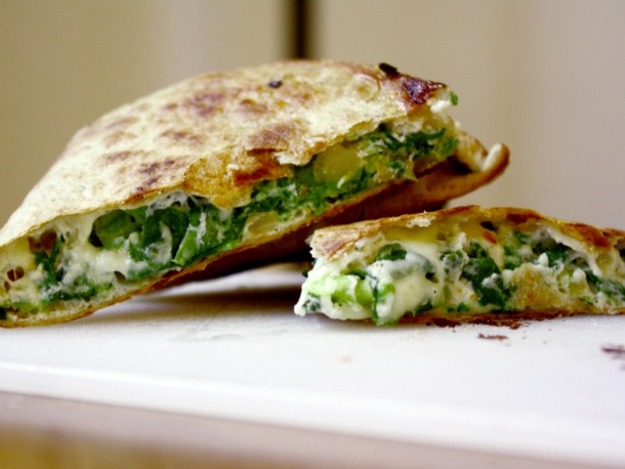
In a small nonstick pan, heat the oil. Add the onion and
scallions and cook until soft, 3-4 minutes. Stir in the garlic, cooking a
minute or two more until soft. Sprinkle with salt, pepper, and the
spices.
scallions and cook until soft, 3-4 minutes. Stir in the garlic, cooking a
minute or two more until soft. Sprinkle with salt, pepper, and the
spices.
Mix in the spinach and cook until wilted, about 2
minutes. Remove to a bowl and cool slightly. Use a wooden spoon to press out
some of the liquid from the cooked spinach and drain.
minutes. Remove to a bowl and cool slightly. Use a wooden spoon to press out
some of the liquid from the cooked spinach and drain.
In another small bowl, whisk together the eggs, yogurt
and feta. Add to the cooled spinach and mix until combined.
and feta. Add to the cooled spinach and mix until combined.
Wipe out the pan, then brush it with about 1/2 teaspoon
olive oil. Over low heat, put one wrap in the pan and soften slightly.
Turn the heat to medium and pour one quarter of the egg-spinach mixture over
half of the wrap, fold the other half over and cook on one side until the egg
begins to firm up, 3-4 minutes. Flip and cook on the other side for 2-3
minutes, then cut into wedges. Repeat with remaining wraps and egg mixture and
serve immediately.
olive oil. Over low heat, put one wrap in the pan and soften slightly.
Turn the heat to medium and pour one quarter of the egg-spinach mixture over
half of the wrap, fold the other half over and cook on one side until the egg
begins to firm up, 3-4 minutes. Flip and cook on the other side for 2-3
minutes, then cut into wedges. Repeat with remaining wraps and egg mixture and
serve immediately.