
The Culinary Connoisseur
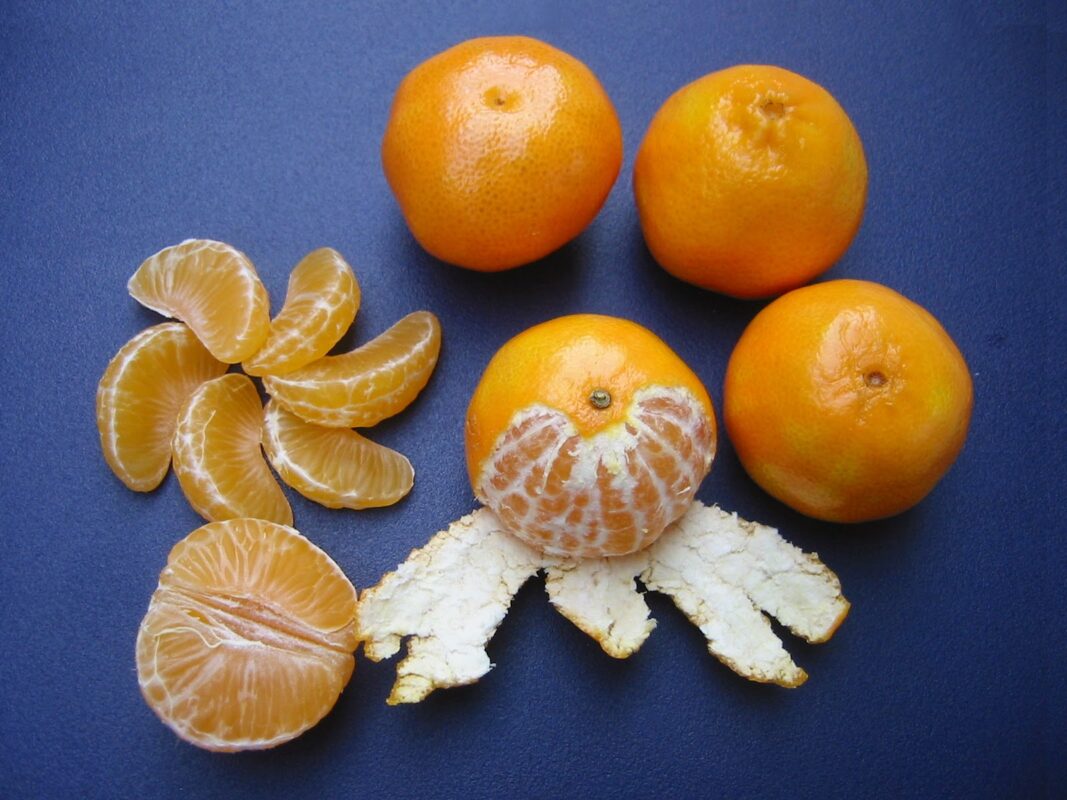
Clementines—Winter’s Candy
05
Dec
Dec
While advances in technology,
preserving and shipping convenience allows us access to summer fruit all year,
winter peaches are not quite worth it.
We say, stick with the stuff in season! One all-time winter favorite is
the seedless clementine. Clementines are
in season from late November through February and in our homes we cannot seem
to get enough. Great for snacking out of
hand, clementines are also tasty in a salad or when used as a component
in a sauce or dessert.
preserving and shipping convenience allows us access to summer fruit all year,
winter peaches are not quite worth it.
We say, stick with the stuff in season! One all-time winter favorite is
the seedless clementine. Clementines are
in season from late November through February and in our homes we cannot seem
to get enough. Great for snacking out of
hand, clementines are also tasty in a salad or when used as a component
in a sauce or dessert.
Clementines are the smallest breed of the mandarin orange.
Primarily imported from Spain,
Morocco, and North Africa, clementines are a hybrid of a sweet orange
and the Chinese mandarin. They are small, very sweet, and usually seedless.
Most people think of clementines as small tangerines, but they’re actually a different
variety, with their own unique taste. Their handy size and lack of seeds make
it a popular snack for kids.
Primarily imported from Spain,
Morocco, and North Africa, clementines are a hybrid of a sweet orange
and the Chinese mandarin. They are small, very sweet, and usually seedless.
Most people think of clementines as small tangerines, but they’re actually a different
variety, with their own unique taste. Their handy size and lack of seeds make
it a popular snack for kids.
When buying Clementines, choose those that are shiny and
heavy for their size. It’s a good rule to follow for lots of fruits, but
especially for oranges. They should smell good and the rind should never feel
puffy; it should not feel like there’s any space between it and the flesh.
There should be no spotting, no signs of shriveling, no white patches on the
rind, and no fermented smell. Refrigerate them in a plastic bag or in the
crisper drawer, and they’ll keep well for one to two weeks.
heavy for their size. It’s a good rule to follow for lots of fruits, but
especially for oranges. They should smell good and the rind should never feel
puffy; it should not feel like there’s any space between it and the flesh.
There should be no spotting, no signs of shriveling, no white patches on the
rind, and no fermented smell. Refrigerate them in a plastic bag or in the
crisper drawer, and they’ll keep well for one to two weeks.
The origin of Clementines is somewhat unclear. Some
attribute their discovery to a monk in Algeria by the name of Clement, who found
a new variety while tending his mandarin orchard. He nurtured the fruit tree
and subsequently called it “clementino”.
attribute their discovery to a monk in Algeria by the name of Clement, who found
a new variety while tending his mandarin orchard. He nurtured the fruit tree
and subsequently called it “clementino”.
Clementines were first brought to the United States in
1982. While many quickly recognized them as a fruit with great market potential,
it took 10 years hard work to make this latecomer of the citrus family the acknowledged
citrus choice of children and adults alike.
1982. While many quickly recognized them as a fruit with great market potential,
it took 10 years hard work to make this latecomer of the citrus family the acknowledged
citrus choice of children and adults alike.
The simplest way of adding Clementines to your favorite
recipes is by adding them to salads. You
can also try this delicious dish for dinner tonight.
recipes is by adding them to salads. You
can also try this delicious dish for dinner tonight.
For the chicken:
8-10 chicken parts (thighs, drumsticks, wings)
1/2 teaspoon kosher salt
1 medium onion, cut in chunks
1 parsnip, peeled and cubed
1 small knob celery, peeled and cut into chunks
½ cup orange juice
For the sauce:
8 clementines
1 tablespoon sugar
1/4 cup red-wine vinegar
1 finely chopped shallot
3 tablespoons orange liqueur
2 teaspoons cornstarch
Preheat oven to 350 degrees F. Clean and
trim chicken parts of visible fat and feathers. Put chicken pieces in a
roasting pan and sprinkle with kosher salt. Place onions, parsnips and knob celery
around the chicken in the pan. Pour in
orange juice and cover pan tightly with heavy-duty foil. Place in oven and bake
1 ½ hours.
Remove pan from oven. Transfer chicken to a large platter,
draining any juices inside back into pan, then transfer cooking liquid to a
large bowl. Chill chickens and liquid separately, at least 4 hours. Remove all
fat from chilled cooking liquid.
draining any juices inside back into pan, then transfer cooking liquid to a
large bowl. Chill chickens and liquid separately, at least 4 hours. Remove all
fat from chilled cooking liquid.
Squeeze juice from the Clementines to measure 1 cup and
pour through a fine-mesh sieve into a medium saucepan. Add vinegar and sugar
and boil until reduced to about 1/4 cup (glaze will bubble up and darken),
about 15 minutes.
pour through a fine-mesh sieve into a medium saucepan. Add vinegar and sugar
and boil until reduced to about 1/4 cup (glaze will bubble up and darken),
about 15 minutes.
Brush 1 tablespoon glaze on chickens,
Heat oven to 500 degrees F. Roast chickens until skin is
crisp, 25 to 35 minutes.
crisp, 25 to 35 minutes.
In the meantime, add cup of the cooking liquid from the
roasting pan into glaze remaining in saucepan. Stir together liqueur and cornstarch
and whisk into the saucepan. Simmer
sauce, whisking occasionally, until thickened, 3 to 5 minutes; then season
sauce with salt and pepper. Serve chicken with sauce.
roasting pan into glaze remaining in saucepan. Stir together liqueur and cornstarch
and whisk into the saucepan. Simmer
sauce, whisking occasionally, until thickened, 3 to 5 minutes; then season
sauce with salt and pepper. Serve chicken with sauce.