
The Culinary Connoisseur
Is It Done Yet?
28
Mar
Mar
Knowing just when your food is done is crucial to having
your meal turn out right. Experienced
cooks rely on their senses to know when foods are done. Taste, touch, sight, smell and yes, even
sound will tell you that your food is ready to come out of the oven or off the
stove.
your meal turn out right. Experienced
cooks rely on their senses to know when foods are done. Taste, touch, sight, smell and yes, even
sound will tell you that your food is ready to come out of the oven or off the
stove.
While you may rely on recipe instructions, it’s a good
idea to start checking on your food a few minutes before the time stated in the
recipe. Set a timer to ensure that you
don’t ruin a dish you’ve never made before.
idea to start checking on your food a few minutes before the time stated in the
recipe. Set a timer to ensure that you
don’t ruin a dish you’ve never made before.
Taking the internal temperature of cooked and baked foods
is another fool-proof method for testing doneness. Candy thermometers, instant-read thermometers
and meat probes are extremely useful to both the novice and seasoned cook. When deep fried at the correct temperature,
foods will absorb less oil and stay crispy.
Candy and caramel must reach precise temperatures to harden
properly.
is another fool-proof method for testing doneness. Candy thermometers, instant-read thermometers
and meat probes are extremely useful to both the novice and seasoned cook. When deep fried at the correct temperature,
foods will absorb less oil and stay crispy.
Candy and caramel must reach precise temperatures to harden
properly.
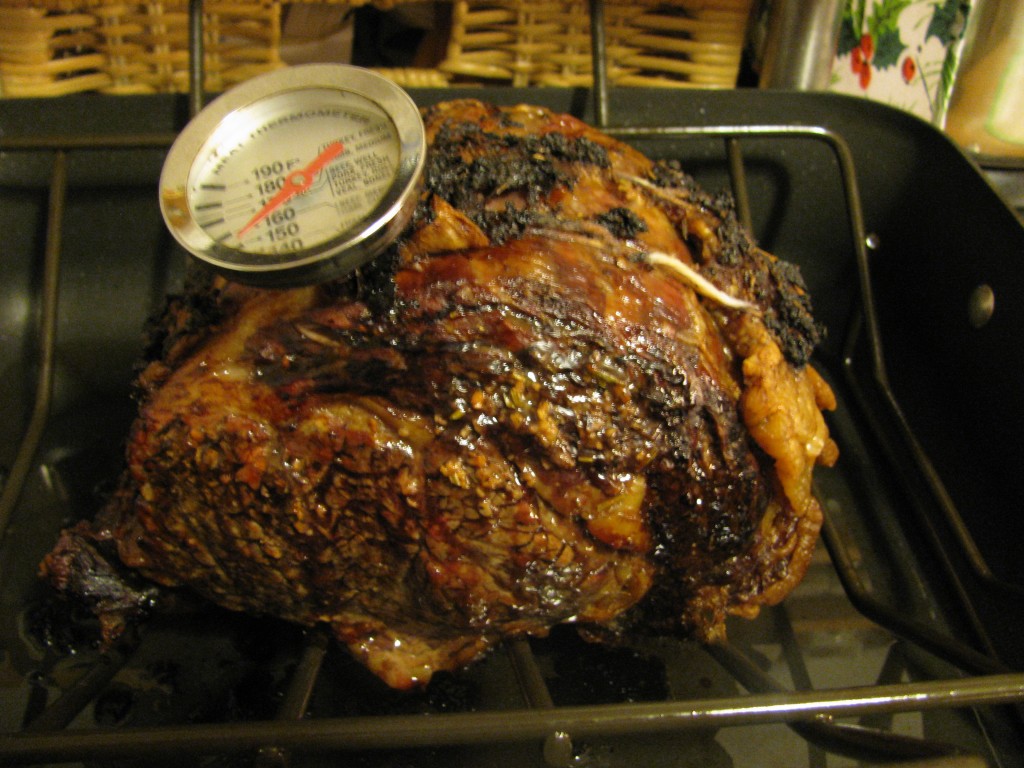
Taking the temperature of a roast is the most efficient
way to determine if it’s ready. The
internal temperature can vary from 130 for rare to 160 for well done. Keep in mind that when a roast is removed
from the oven the temperature will continue to rise. Always allow a roast to rest for 15-20
minutes after removing it from the oven to allow the juices to redistribute
themselves throughout the meat.
way to determine if it’s ready. The
internal temperature can vary from 130 for rare to 160 for well done. Keep in mind that when a roast is removed
from the oven the temperature will continue to rise. Always allow a roast to rest for 15-20
minutes after removing it from the oven to allow the juices to redistribute
themselves throughout the meat.
Fish can be temperature-tested as well, but most cooks
prefer to nick the surface with a knife to see if it flakes. You can also judge the fish by its internal
appearance; it should be opaque in the center.
prefer to nick the surface with a knife to see if it flakes. You can also judge the fish by its internal
appearance; it should be opaque in the center.
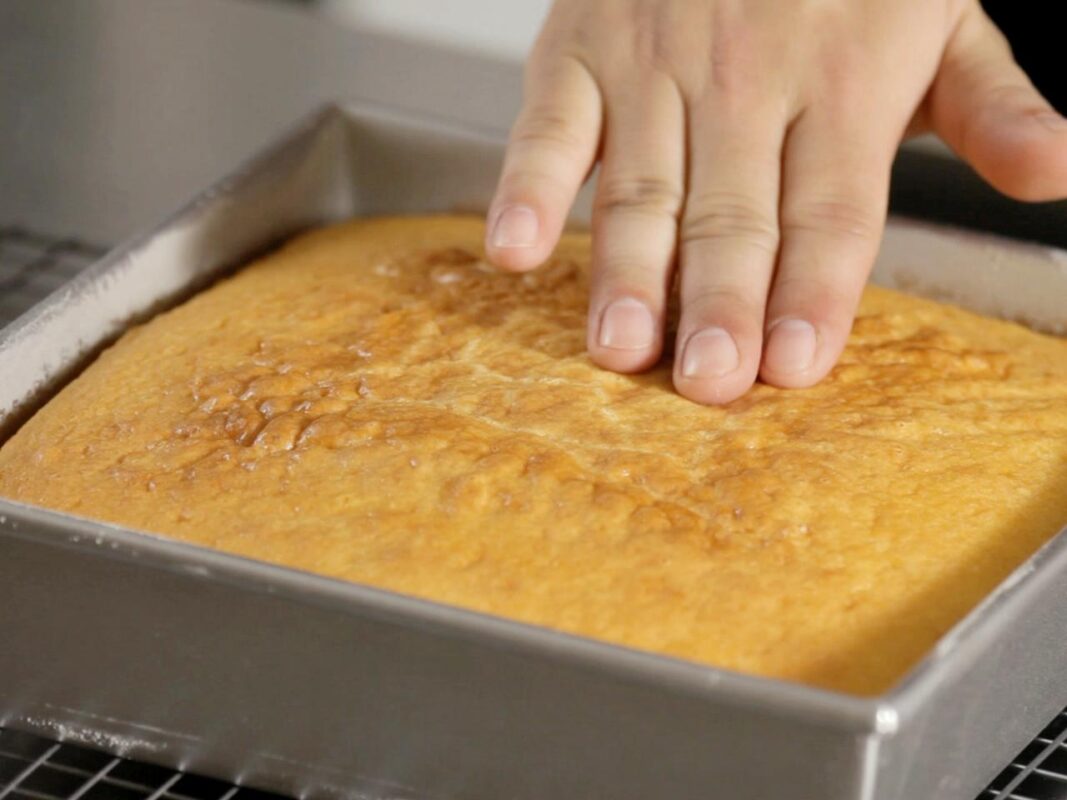
You can use your sense of touch to tell when cakes and
muffins are done. The center should feel
firm and springy when pressed lightly.
If your finger leaves and impression your food’s not done. You can also use a cake tester to see if it’s
ready. The tester should come out clean
with maybe a few dry crumbs on it when inserted into the center of the
cake. The only exception to this is
brownies; which should be under-baked.
muffins are done. The center should feel
firm and springy when pressed lightly.
If your finger leaves and impression your food’s not done. You can also use a cake tester to see if it’s
ready. The tester should come out clean
with maybe a few dry crumbs on it when inserted into the center of the
cake. The only exception to this is
brownies; which should be under-baked.
 If you like your cookies soft and chewy bake them for a
shorter time than suggested in the recipe.
The cookies should appear moist.
They will continue to bake and set even after they’re removed from the
oven because of residual internal heat.
Keep this in mind even if you like crispy cookies. After all, there’s a very fine line between
crisp and burnt.
Yeast breads and challah are ready at 190 to 200 degrees,
but most of us rely on site and smell. Look for well browned loaves that feel
light.
but most of us rely on site and smell. Look for well browned loaves that feel
light.
Cheesecakes made with cream cheese are essentially
custards and should only be baked until just barely set. The center should still jiggle when you shake
the pan.
custards and should only be baked until just barely set. The center should still jiggle when you shake
the pan.
Pasta that is cooked properly will be slightly firm when
you bite into it. This is termed “al
dente” which means “to the tooth.”
Overcooked pasta will be mushy and unappealing. Drain pasta immediately as it will continue
to absorb water even after you turn off the flame.
you bite into it. This is termed “al
dente” which means “to the tooth.”
Overcooked pasta will be mushy and unappealing. Drain pasta immediately as it will continue
to absorb water even after you turn off the flame.
Years ago most cooks boiled vegetables to death,
literally! They cooked beans, peas,
broccoli and the like until they killed all color and nutrients. Today we know better. Vegetables taste best when they’re just
barely cooked. Quick cooking, blanching
or steaming will result in bright colors, appealing flavor and lots of
vitamins. Immerse green vegetables in
boiling water for 5 minutes then plunge them into cold water to stop the
cooking. Remove immediately and
serve.
literally! They cooked beans, peas,
broccoli and the like until they killed all color and nutrients. Today we know better. Vegetables taste best when they’re just
barely cooked. Quick cooking, blanching
or steaming will result in bright colors, appealing flavor and lots of
vitamins. Immerse green vegetables in
boiling water for 5 minutes then plunge them into cold water to stop the
cooking. Remove immediately and
serve.
Potatoes are done when they break apart at the prick of a
fork. This usually is 20 minutes for cut
pieces or 30 minutes for whole medium potatoes.
fork. This usually is 20 minutes for cut
pieces or 30 minutes for whole medium potatoes.
When toasting nuts and seeds; use your nose. In about 10 minutes at 350 degrees the nuts
will release wonderful aromas; you’ll know they’re ready by the smell.
will release wonderful aromas; you’ll know they’re ready by the smell.
Eggs are unusual in the fact that you cannot see, taste
or smell when they’re cooked in the shell.
To avoid the green ring around the yolk, bring eggs to a rolling boil
then cover the pot and remove from the flame.
Wait exactly 10 minutes and drain the water or run cold water into the
pot. The yolks will be a beautiful
golden color and the whites solid.
or smell when they’re cooked in the shell.
To avoid the green ring around the yolk, bring eggs to a rolling boil
then cover the pot and remove from the flame.
Wait exactly 10 minutes and drain the water or run cold water into the
pot. The yolks will be a beautiful
golden color and the whites solid.
Use your sense of hearing to listen to the sizzle of stir-fries
or the boiling water. Look for
well-browned tops to know when your kugel is ready. Touch the centers of your cupcakes to see if
they spring back. Smell the
indescribable aroma of fresh challah to help judge when it’s ready. These are the best tools a cook can have!
or the boiling water. Look for
well-browned tops to know when your kugel is ready. Touch the centers of your cupcakes to see if
they spring back. Smell the
indescribable aroma of fresh challah to help judge when it’s ready. These are the best tools a cook can have!