
The Culinary Connoisseur
In the Sauce
24
Jan
Jan
Asian cuisine is most famous for all the sauces used to
flavor dishes. These sauces are used alone or in combination to create tasty
meals that we have all come to love. But do you know how they got their start?
flavor dishes. These sauces are used alone or in combination to create tasty
meals that we have all come to love. But do you know how they got their start?
Soy sauce is a condiment produced by fermenting
soybeans with water and salt. After the fermentation, the soy beans are pressed
soy sauce is released. Soy sauce originated in China 2,500 years ago and its
use later spread to East and Southeast Asia. Like many salty condiments, soy
sauce was probably originally a way to stretch salt, which was an expensive
commodity at that time.
soybeans with water and salt. After the fermentation, the soy beans are pressed
soy sauce is released. Soy sauce originated in China 2,500 years ago and its
use later spread to East and Southeast Asia. Like many salty condiments, soy
sauce was probably originally a way to stretch salt, which was an expensive
commodity at that time.
Soy sauce has a distinct taste called “umami” meaning
“delicious taste” in Japanese, due to naturally occurring glutamates.
Glutamates are amino acids that give strong tastes to foods.
“delicious taste” in Japanese, due to naturally occurring glutamates.
Glutamates are amino acids that give strong tastes to foods.
Some brands of soy sauce are often made from something
called “hydrolyzed soy protein” instead of actual soybeans fermented in the
traditional manner. If you are a purist, always read the ingredient label.
called “hydrolyzed soy protein” instead of actual soybeans fermented in the
traditional manner. If you are a purist, always read the ingredient label.
Tamari is darker in appearance and richer in
flavor than soy sauce. It usually contains no wheat and can be used by people
with gluten intolerance. It is the “original” Japanese soy sauce, as
its recipe is closest to the soy sauce originally introduced to Japan from
China.
flavor than soy sauce. It usually contains no wheat and can be used by people
with gluten intolerance. It is the “original” Japanese soy sauce, as
its recipe is closest to the soy sauce originally introduced to Japan from
China.
Shoyu refers to Japanese soy sauce. When soybeans
are fermented to make shoyu, they are packed with sea salt, which acts as a
preservative, and koji, a type of mold.
are fermented to make shoyu, they are packed with sea salt, which acts as a
preservative, and koji, a type of mold.
Duck sauce is a thin translucent orange-colored condiment
with a sweet and sour flavor. It may be used as a dip for deep-fried dishes
such as duck, chicken, fish, spring rolls, egg rolls, or with rice or Chinese noodles.
In China this sauce is actually called
plum sauce as it was primarily made of plums. However, American Chinese
restaurants began serving it with a famous dish called Peking Duck and the name
caught on.
with a sweet and sour flavor. It may be used as a dip for deep-fried dishes
such as duck, chicken, fish, spring rolls, egg rolls, or with rice or Chinese noodles.
In China this sauce is actually called
plum sauce as it was primarily made of plums. However, American Chinese
restaurants began serving it with a famous dish called Peking Duck and the name
caught on.
Plum sauce is a thicker, light brown sweet and
sour condiment. It is also used in Chinese cuisine as a dip for deep-fried
dishes, such as spring rolls, egg rolls, noodles and roast duck. It is made
from sweet plums or other fruit such as peaches or apricots, along with sugar, vinegar,
ginger and chile peppers.
sour condiment. It is also used in Chinese cuisine as a dip for deep-fried
dishes, such as spring rolls, egg rolls, noodles and roast duck. It is made
from sweet plums or other fruit such as peaches or apricots, along with sugar, vinegar,
ginger and chile peppers.
Hoisin sauce, a Chinese
dipping
sauce, is more often used as an ingredient
in a stir-fry sauce. The ingredients in hoisin sauce
are soybean paste, starches to thicken it, garlic, vinegar, and various spices such as chili peppers. The flavor of this sauce is
described as sweet, salty, and spicy. Adding a few tablespoons of Hoisin Sauce
to your standard stir-fry mixture will boost the flavor immeasurably.
dipping
sauce, is more often used as an ingredient
in a stir-fry sauce. The ingredients in hoisin sauce
are soybean paste, starches to thicken it, garlic, vinegar, and various spices such as chili peppers. The flavor of this sauce is
described as sweet, salty, and spicy. Adding a few tablespoons of Hoisin Sauce
to your standard stir-fry mixture will boost the flavor immeasurably.
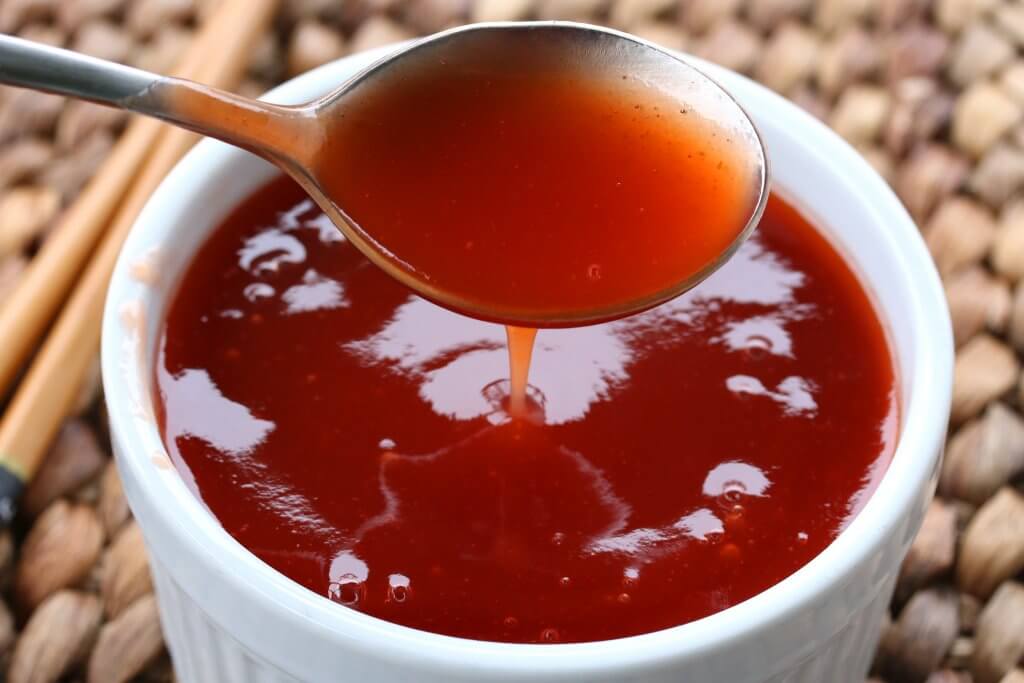 Sweet and Sour Sauce–some food historians say
that the original sweet and sour came from the Hunan province of China, but other
experts say the sauces used in that area is a weak vinegar and sugar mixture hardly
resembling what most people would call sweet and sour. Sweet and sour sauce is known by many Chinese
as ‘the people’s sauce.” This may be due
to its cheap production costs. It was distributed by the Chinese Communist
Party during the Cultural Revolution in an attempt to enhance its reputation as
being pro Chinese culture.
A quick and simple side dish with loads of flavor
3 tablespoons canola oil
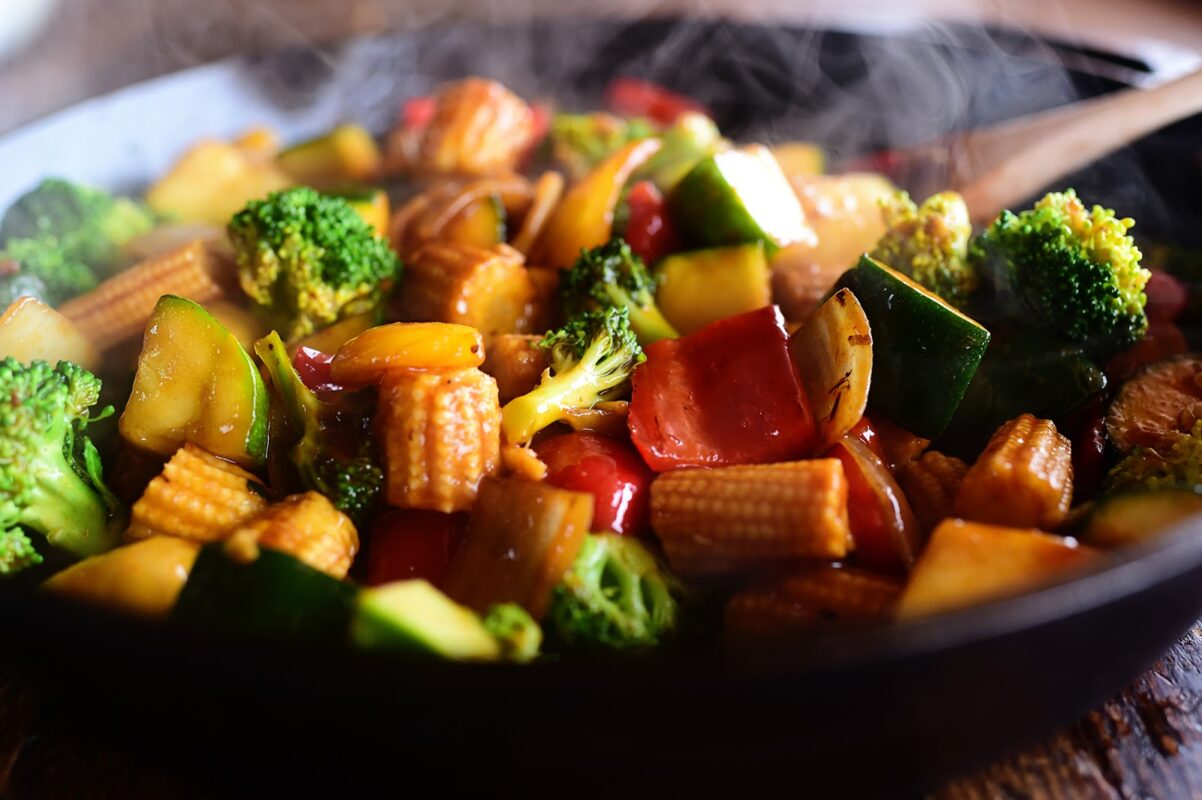
1 red bell pepper, julienned
1 carrot, julienned or sliced thin
2 cups broccoli florets
1/2 cup snow peas
1 clove garlic, crushed
1 to 2 tablespoons peeled and minced ginger
1/2 cup teriyaki sauce
1/3 cup sliced bamboo shoots or baby corn
1/8 teaspoon cayenne pepper, optional
In a wok or large frying pan, heat canola oil over high
heat to almost smoking. While stirring constantly, 1 at a time, add in the
peppers, carrots and broccoli, snow peas, garlic, ginger, and teriyaki sauce.
Cook for about 2 minutes and then add in the remaining ingredients and
seasonings. Cook about 2 minutes more. Remove
from heat. Serve immediately.
heat to almost smoking. While stirring constantly, 1 at a time, add in the
peppers, carrots and broccoli, snow peas, garlic, ginger, and teriyaki sauce.
Cook for about 2 minutes and then add in the remaining ingredients and
seasonings. Cook about 2 minutes more. Remove
from heat. Serve immediately.