
The Culinary Connoisseur
Bell of the Ball
Oct
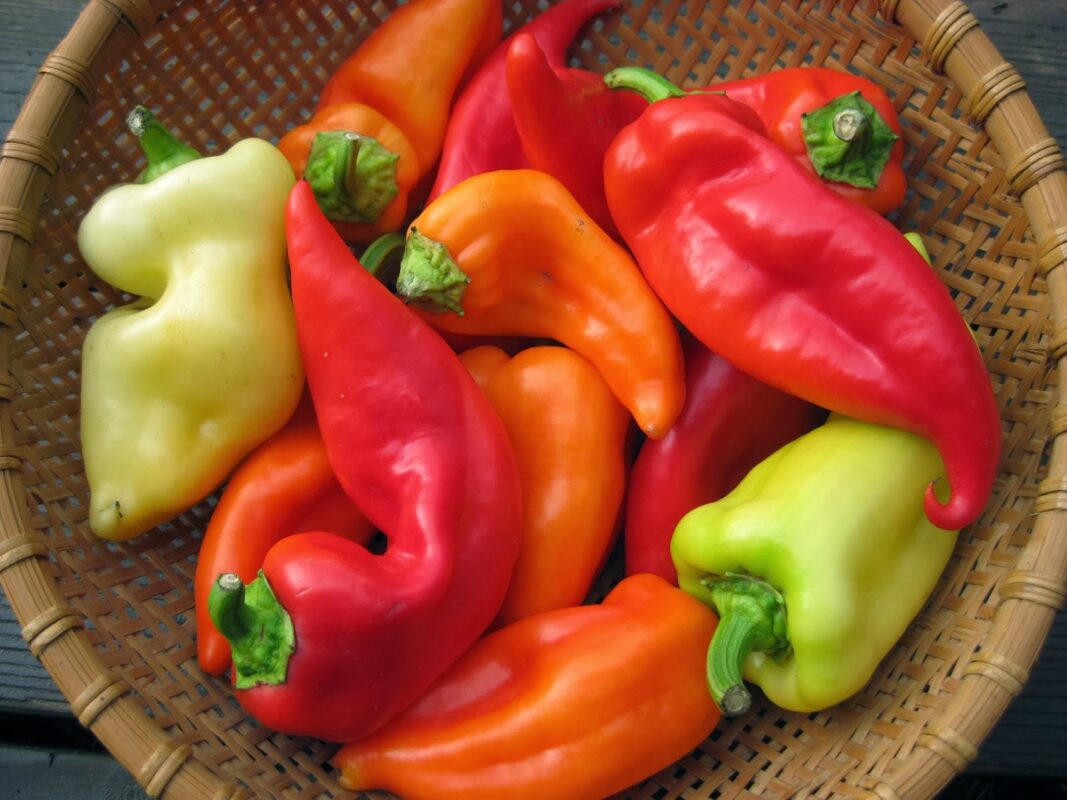
All peppers, sweet or hot belong to the same plant
family. The sweet peppers are referred to as “bell peppers” for their bell-like
shape. They also do not contain capsaicin—the component that gives hot peppers
their heat. Did you know all red, yellow, and orange peppers start out green?
The color changes and their sweetness increases depending on how long they’re
allowed to ripen on the vine.
The pepper plant produces fruits in different colors,including red, yellow, orange, green, brown, white, and purple. Peppers are
native to Mexico, Central America and the northern areas of South America.
Columbus confusing the pepper plant with the peppercorn plant, which was highly
prized at that time. He believed he landed in India and consequently assumed
that the plant he discovered was the very same “pepper” that Europeans sought.
there spread to other European, African and Asian countries. Today, China is
the world’s largest pepper producer, followed by Mexico and Indonesia.
rarely, brown, white, rainbow (between stages of ripening) lavender and dark
purple, depending on the variety of pepper. One variety, Permagreen, maintains
its green color even when fully ripe. Green peppers are less sweet and slightly
more bitter than yellow or orange peppers, with red bell peppers being the
sweetest. The taste of the peppers can also vary with growing conditions and
weather. The sweetest are peppers allowed to ripen fully on the plant in full
sunshine, while those harvested green and ripened in storage are less sweet.
their best in late summer and throughout fall.
addition to salads, stir-fry and sautéed or roasted vegetables.
and C as well as a variety of other nutrients.
Plus they are rich in anti oxidants and other cancer fighting components.
Because peppers are sweet, they are usually easy to introduce to children.
Serve them sliced with low-fat dressing or guacamole. Kids will eat them!
You can also try some of our favorite pepper recipes for
dinner tonight.
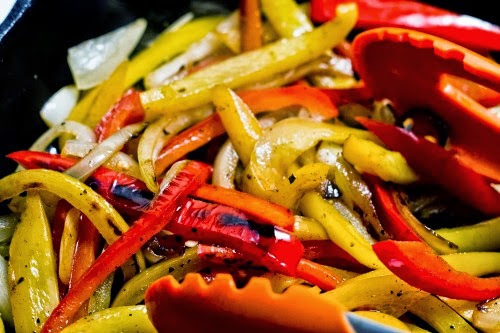
A quick and easy side dish that will make your dinner
plate especially attractive
3 tablespoons
canola oil
strips
half-inch strips
In a large skillet, heat the oil over high heat. Add the
pepper strips, and sauté for 4-5 minutes, or until the peppers begin to soften.
Turn down the heat to low, and add the garlic, salt and pepper. Sauté for 2
minutes more. Turn off the heat and add the vinegar and herbs. Toss to combine.
Transfer to a bowl and allow to cool to room temperature. Toss again, adjust
seasoning and serve.
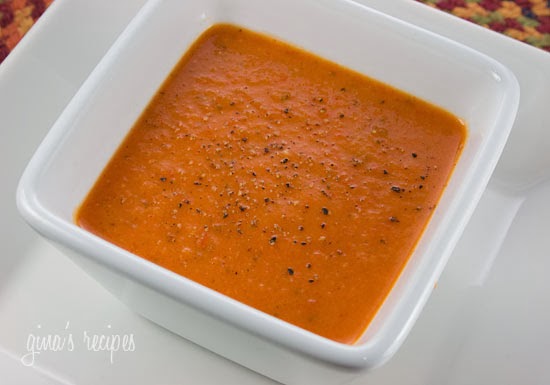
Using red and orange peppers will give your soup
amazing color!
4 large yellow or red bell peppers (about 2 pounds),
stem, ribs and seeds removed
1 medium Yukon Gold potato, cubed
1 small onion, chopped
1 teaspoon kosher salt or to taste
Generous pinch red pepper flakes
1 ½ – 2 cups vegetable or chicken stock
4 small sprigs fresh checked dill weed
In a heavy stockpot, heat the oil over medium-high heat. Dice
the peppers. Add the peppers, potato,
onion, salt, and red pepper flakes. Cook, stirring, for 1 to 2 minutes. Reduce
the heat to low, cover and simmer, stirring occasionally, until the vegetables
are tender, about 1 hour. Remove from heat and let cool slightly.
batches, or puree completely with a hand blender. Force the pepper pulp through
a coarse strainer or a food mill. Return
the liquids to the pot and stir in the vegetable or chicken stock, adding a bit
more if you like a thinner soup. Taste and adjust the seasonings.
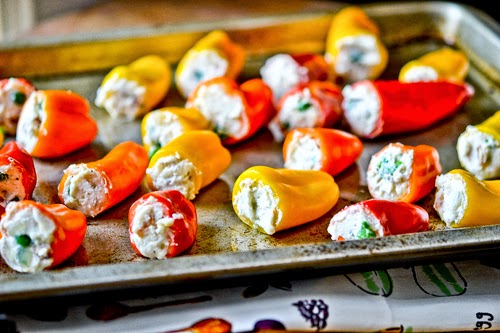
The variety of mini sweet peppers now available in fruit
markets lends itself to lots of attractive appetizers like this one. Try it for
your next melava malka.
30 mini sweet peppers
packed in oil)
Preheat the oven to 350 degrees and line a baking sheet
with aluminum foil.
the stem intact. Carefully remove the seeds (there aren’t too many).
rosemary and sundried tomatoes. Pulse until evenly chopped and the mixture is
very fine. Remove from the food processor and place in a mixing bowl. Add the
feta and combine.
peppers. Place stuffed peppers on the prepared baking sheet.
soften. Transfer to a serving dish and serve hot or cold.